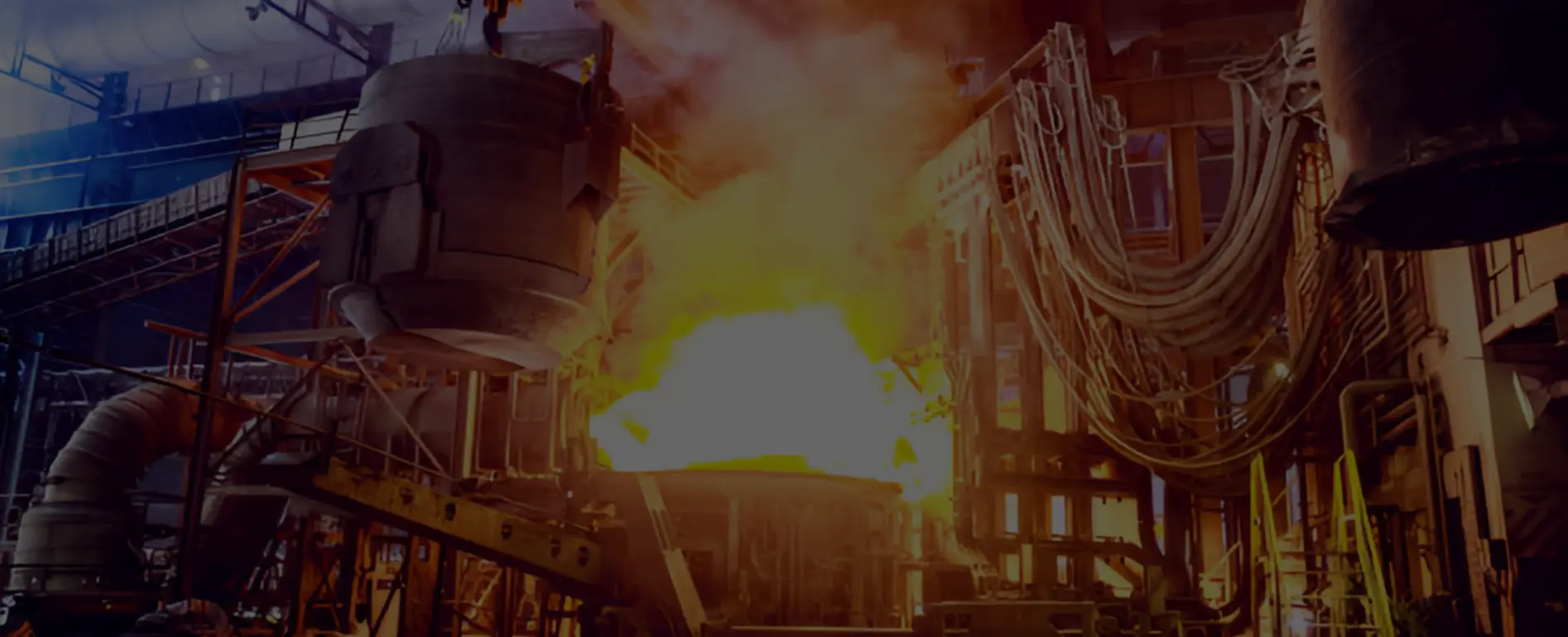


Explore smart ways to improve furnace efficiency with Novota’s high emissivity coatings that reduce heat loss and lower fuel consumption.
Furnaces are the backbone of numerous industries, including steel, glass, ceramics, and petrochemicals. However, they consume massive amounts of energy and not all the heat goes where it’s needed.
While there are many ways to improve furnace efficiency, Novota Thermotech introduces a simpler, smarter, cost-effective and science-backed solution: high-performance functional coatings. Designed for real industrial conditions, these coatings tackle energy loss at the surface level.
In this blog, we explain in simple terms how energy-efficient coatings are changing the way furnaces use energy. However, it’s essential to understand the operation of the furnace first.
7 Proven Ways to Improve Furnace Efficiency
📞+918928770345
Improve furnace efficiency with high emissivity coatings. Reduce heat loss, save fuel, and boost performance with proven solutions.
What happens in a furnace?
A furnace generates and transfers heat to materials (like metals or ceramics) during industrial processes for melting, annealing, sintering, etc. The process involves high temperatures and relies on heat transfer.
What is an efficient furnace?
An efficient furnace uses the least amount of heat/energy to achieve the required temperature, with minimal heat loss, lower fuel consumption, and consistent performance.
This is a textual scenario. However, in real-world conditions, even in the best-designed furnace, a significant amount of energy is lost before it reaches the load (the material being processed).
How is energy wasted in a furnace?
Heat naturally moves from hotter surfaces to cooler ones. Furnaces are usually built of bricks or material casings, which let heat pass through them, unless blocked or reflected. Refractory materials inside the furnace are designed to survive heat and not reflect it.
Related: How can heat-reflective paint improve energy efficiency in buildings?
Furnace energy loss mainly happens through walls and roofs in three ways:
- Radiation loss: Heat radiates away from the material surface or is absorbed by the furnace walls, roof, and openings, even when not in active use.
- Inefficient heat transfer: When heat doesn’t directly reach the load or is reflected inefficiently.
- Heat Storage: The furnace structure (refractory bricks, metal casing) absorbs a lot of heat that doesn’t reach the material being processed. This heat doesn’t help the process. It just makes the furnace hotter.
Why is it essential to make your furnace energy efficient?
To maintain the optimum temperature required for operation, the furnace compensates by burning more fuel. This means:
- Higher fuel consumption leads to more emissions and higher operating costs.
- More time is required, which means there is extra stress on the equipment.
- More maintenance, more downtime, and shorter furnace life.
- More emissions impact the carbon emission footprint and compliance.
While several traditional methods exist to improve furnace efficiency, most require significant system changes or substantial capital costs. On the other hand, energy-efficient coatings provide a simpler and cost-effective way to enhance furnace performance, often without disrupting operations.

How can Novota’s Functional Coatings Enhance Furnace Efficiency?
High-temperature heat transfer functional coatings, such as high-emissivity, heat-dissipation, and heat-insulation coatings, alter the thermal behaviour of the furnace surface. They control how the surface absorbs, reflects, retains, or releases heat, making the furnace more efficient.
1. emiSEAL – High‑Emissivity Ceramic Coating
- Function: High-emissivity paint for aluminium radiates heat from the furnace lining back onto the load instead of letting that heat escape into the structure.
- Applied on: Furnace roof, side walls made of refractory bricks, ceramic wool or metal.
- How it works: emiSEAL has high emissivity in the infrared range, so it re-emits that energy back into the furnace chamber. High-emissivity coatings for furnaces prevent the walls from ‘soaking up’ valuable heat that would otherwise be wasted, and heat is focused on the load.
- Benefit: Cuts fuel use and energy bills, reduces thermal shock, and extends refractory life.
2. TempSeal – Nano insulation coating
Function: Acts as a thermal barrier to limit heat loss through furnace walls and keeps heat where it’s needed.
Applied on: Outer structure such as Casing, Frame and Door exteriors
How it works: Nano-ceramic particles trap air, a poor conductor of heat. This prevents heat from escaping into the surrounding area, reducing energy loss.
Benefit: Lowers energy waste in high-temperature industrial applications, protects structural components from overheating, reduces dependence on external cooling systems, protects your equipment and makes operations safer.
Custom coatings for higher control over furnace performance
Industries are now opting for a more tailored approach. Custom energy-efficient coatings enable manufacturers to design furnace performance according to their goals. This means that specific, tailored, high-performance heat transfer coatings can be used to match specific zones, heat loads, and operating conditions.
The future of the coating industry is expected to move more and more towards personalised approaches to address unique challenges since real efficiency, savings and longevity begin.
Read More: How Heat Reflective Coatings Reduce Energy Expenses and Improve Employee Well-Being
Conclusion
Efficient energy use isn’t just a performance metric anymore; it is gaining importance worldwide. With the global shift toward sustainability, this becomes a practical and cost-efficient way to align performance with environmental goals. High-performance heat transfer coatings are set to play a key role in achieving this goal.
Novota Thermotech, a leading manufacturer of high-temperature and high-emissivity ceramic coatings, offers a simpler, smarter, and science-backed way to improve furnace efficiency, without significant system changes. As one of India’s foremost custom coating manufacturers, we can also tailor formulations to match your specific process and performance needs.
FAQs
How do I know which coating is right for my furnace?
How to Choose the Right Furnace Coating: 7 Proven Tips
How to choose the right furnace coating is one of the most important decisions for improving furnace efficiency, reducing fuel consumption, and enhancing industrial performance. Selecting the right coating solution ensures better heat transfer, lower energy loss, and longer equipment life.Understanding the correct coating selection process helps industries optimize thermal performance without major system modifications. A well-chosen coating improves energy efficiency while reducing operational costs.How to Choose the Right Furnace Coating for Your Furnace
The process depends on several technical and operational factors such as temperature range, furnace design, and areas where heat loss occurs. Identifying these parameters helps in selecting the most effective coating solution.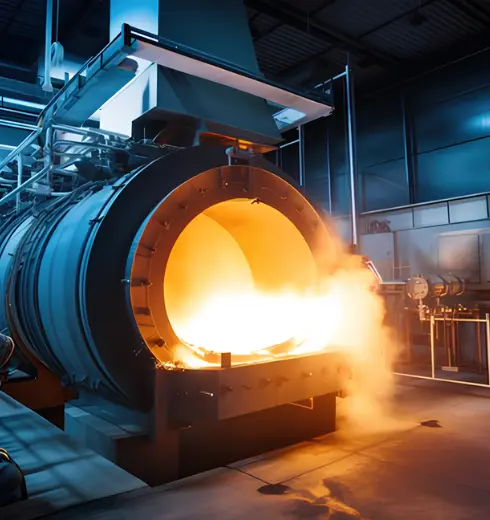
Factors to Consider When Selecting Furnace Coatings
Temperature is a key factor. High-temperature coatings must match the operating range of the furnace to ensure long-term durability and performance.Material compatibility is also critical. Coatings must adhere properly to refractory bricks, ceramic fibers, or metal surfaces to deliver consistent results.Another important aspect is identifying heat loss zones. This determines whether reflective coatings or insulation coatings are required.Best Coatings to Improve Furnace Efficiency
High emissivity coatings are widely used to improve radiant heat transfer. These coatings reflect heat back toward the load, ensuring maximum energy utilization.Thermal insulation coatings help reduce heat loss from outer furnace surfaces. They act as a barrier, maintaining internal temperature and improving overall efficiency.In many industrial applications, combining both coating types provides the best results for improving furnace performance.Choosing suitable furnace coatings plays a vital role in reducing energy consumption and improving system reliability.Proper coating selection helps industries achieve better temperature control and consistent production output.According to energy efficiency research, improving thermal systems significantly reduces industrial fuel consumption.Explore high emissivity coatings to improve furnace efficiency.Learn more about emiSEAL coating solutions for industrial furnaces.How to choose the right furnace coatingHow to choose the right furnace coatingUltimately, choosing the right furnace coating depends on furnace design, operational goals, and energy efficiency requirements. The right solution enhances heat transfer, reduces heat loss, and improves long-term performance.How to choose the right furnace coatingNeed help selecting the right furnace coating? Contact Novota Thermotech for expert guidance tailored to your industrial application.- How Novota’s Functional Coatings are Revolutionising Furnace Efficiency
- What is a Thermal Conductive Coating? Industrial Applications & Properties
- Why Every Energy Generator Industry Should Consider emiSEAL
- Understanding Heat Reflective Coatings: Benefits, Uses & How They Work
- Does Solar Reflective Paint Work? Here’s What Science Says
- Emissivity Explained: The Key to Effective Thermal Management in Coatings
- Why Tempseal is Essential for Iron and Steel Processing
- How Novota’s Advanced Coatings Are Shaping the Future of the Automotive Industry
- Simplifying the Science Behind High Emissivity Coatings
- Tempseal: A Key to Safety and Efficiency in Petrochemical Operations
- The Importance of Surface Preparation Before Applying Industrial Coatings
- How Heat Reflective Coatings Reduce Energy Expenses and Improve Employee Well-Being
- Heat Dissipation Coating to Reduce the Air Pressure in Automobile Tires
- How can heat-reflective paint improve energy efficiency in buildings?
- A Guide for Choosing the Right Industrial Coating for Heat Management and Performance
- Heat dissipation coating to effectively manage thermal energy for a global leader in the wire and cable industry
- The Future of Industrial Coatings: Trends and Innovations to Watch
- The Economic Benefits of Investing in High-Performance Industrial Coatings
- Top 7 Benefits of Using Heat Reflective Paint
Do the coatings affect product quality?
Yes. By improving heat distribution and consistency, coatings help achieve more uniform processing and reduce defects.
What kind of savings can I expect?
Industries typically see significant fuel savings of a minimum 5% with the use of Novota’s coatings, along with reduced downtime and extended equipment life, offering a promising ROI within days or weeks, depending on the operations.
How long do these coatings last?
Coating lifespan is dependent on the operating environment, but with proper application, many coatings last several cycles.
Are the coatings safe to use at high temperatures?
Absolutely. Novota’s coatings are engineered to withstand high-temperature industrial environments.
Ways to improve furnace efficiency
Key Methods to Improve Furnace Efficiency
Furnace Efficiency
Industrial furnaces are essential systems used in high-temperature manufacturing processes across industries such as steel production, glass manufacturing, ceramics, metallurgy, petrochemicals, and chemical processing. These furnaces operate at extremely high temperatures to perform critical operations like melting, annealing, sintering, and heat treatment. While these processes are necessary for production, they also consume enormous amounts of energy.
A significant portion of this energy is often wasted due to inefficient heat transfer, poor thermal management, and heat losses through furnace structures. As energy prices increase and environmental regulations become stricter, industries are actively searching for ways to improve furnace efficiency while reducing operational costs and emissions.
One of the most effective and increasingly adopted solutions is the use of high emissivity coatings. These specialized functional coatings are designed to enhance the way heat is transferred inside the furnace, ensuring that more energy is directed toward the material being processed rather than being absorbed or lost by the furnace structure.
High emissivity coatings improve furnace efficiency by optimizing radiant heat transfer, reducing energy loss, and improving the overall thermal performance of industrial heating systems. When applied to furnace interiors, these coatings help reflect and radiate heat back toward the load, making the furnace more energy efficient without requiring major equipment modifications.
Understanding how these coatings work requires first examining how heat is lost in industrial furnaces.
Furnace Efficiency plays a critical role in reducing industrial energy consumption and operating costs. Manufacturers are constantly looking for practical ways to improve furnace efficiency without making major equipment modifications. By using advanced thermal technologies and functional coatings, industries can enhance furnace efficiency by improving heat transfer and minimizing energy loss. An efficient furnace ensures that maximum heat reaches the material being processed instead of being absorbed by furnace walls. Implementing modern heat management solutions is one of the most effective ways to improve furnace efficiency while supporting sustainable and cost-effective industrial operations.
Furnace Efficiency
Improve furnace efficiency
Enhance Furnace Efficiency
Efficient furnace
Ways to improve furnace efficiency
Industrial furnaces are designed to generate and transfer heat to materials during production processes. However, despite advanced engineering and insulation technologies, energy losses still occur in several ways. These losses reduce furnace efficiency and force systems to consume more fuel in order to maintain required operating temperatures.
One of the primary causes of energy loss in furnaces is radiation loss. At high temperatures, heat is transferred primarily through radiation. When radiant heat is emitted inside the furnace chamber, a large portion of it may be absorbed by the furnace walls, roof, or refractory lining instead of reaching the material being processed. Once this heat is absorbed by the furnace structure, it becomes stored energy that does not contribute directly to the process.
Another major factor contributing to energy loss is inefficient heat transfer. In an ideal furnace environment, heat generated by burners or heating elements should be directed efficiently toward the load. However, in real-world conditions, heat can disperse unevenly throughout the furnace chamber. Some surfaces may absorb heat while other areas receive less energy than required, leading to uneven heating and lower overall process efficiency.
Heat storage within refractory materials is also a significant contributor to energy loss. Furnace linings are typically constructed using refractory bricks or ceramic insulation materials designed to withstand extremely high temperatures. While these materials protect the furnace structure, they can also absorb large amounts of heat energy. The energy stored within refractory materials may not contribute to heating the load and instead increases the overall thermal mass of the furnace.
Heat conduction through furnace walls is another common source of energy waste. Even with insulation, some heat naturally escapes through the furnace casing and structural components. Over time, this continuous heat loss increases fuel consumption and raises operating costs.
Additionally, operational factors such as furnace openings, loading doors, and maintenance access points can allow hot air to escape from the chamber. Every time a furnace door opens or a process interruption occurs, valuable heat energy is lost and must be replaced by additional fuel consumption.
All these factors combine to reduce furnace efficiency and increase the energy required to maintain production temperatures. As industries seek ways to improve performance and reduce energy consumption, optimizing heat transfer inside the furnace becomes a key priority.
This is where high emissivity coatings provide a powerful solution.
High emissivity coatings are specialized thermal functional coatings designed to improve the way surfaces emit and radiate heat energy. In industrial furnaces, radiant heat transfer plays a dominant role in moving energy from heating sources to the material being processed. By modifying the emissivity characteristics of furnace surfaces, these coatings enhance the effectiveness of radiant heat transfer.
Emissivity refers to the ability of a surface to emit thermal radiation. Materials with high emissivity can radiate heat energy more efficiently compared to materials with low emissivity. When furnace surfaces have low emissivity, they tend to absorb heat rather than radiate it back into the furnace chamber.
High emissivity coatings increase the emissivity of furnace walls and surfaces. When applied to refractory linings or metal surfaces inside the furnace, the coating allows these surfaces to emit radiant heat more effectively. Instead of absorbing heat energy and storing it within the furnace structure, coated surfaces radiate heat back toward the load.
This improved heat radiation enhances the efficiency of the heating process. More heat energy is directed toward the material being processed, resulting in faster heating cycles and more uniform temperature distribution.
Another important advantage of high emissivity coatings is their ability to improve infrared radiation performance. Industrial furnaces operate within the infrared spectrum, where radiant heat transfer is most effective. High emissivity coatings are engineered to perform optimally within this wavelength range, allowing them to reflect and emit thermal energy back into the furnace chamber.
By improving radiant heat transfer, high emissivity coatings reduce the need for additional fuel consumption. Furnaces can reach desired temperatures faster and maintain them with less energy input. This translates directly into lower operating costs and improved energy efficiency.
Furthermore, these coatings help reduce thermal stress within the furnace structure. When heat is absorbed unevenly by refractory materials, it can create temperature gradients that lead to cracking, spalling, or structural damage. By promoting more uniform heat distribution, high emissivity coatings help extend the life of refractory linings and reduce maintenance requirements.
The improved heat transfer provided by high emissivity coatings ultimately leads to better furnace performance, lower fuel consumption, and more efficient industrial processes.
While high emissivity coatings improve radiant heat transfer inside the furnace chamber, other types of functional coatings can further enhance furnace efficiency by controlling heat loss and thermal flow throughout the system.
Heat dissipation coatings and thermal insulation coatings play an important role in managing how heat moves through furnace structures and surrounding equipment.
Heat dissipation coatings are designed to enhance the ability of surfaces to release excess heat in controlled ways. In certain furnace components, especially external equipment or auxiliary systems, efficient heat dissipation helps prevent overheating and protects sensitive components. These coatings allow surfaces to release unwanted heat efficiently, improving equipment reliability and operational safety.
Thermal insulation coatings, on the other hand, focus on minimizing heat loss through furnace walls and external surfaces. These coatings often contain advanced ceramic or nano-insulation materials that reduce heat conduction. When applied to furnace casings, doors, or outer surfaces, insulation coatings act as thermal barriers that prevent valuable heat from escaping into the surrounding environment.
Nano-ceramic insulation coatings are particularly effective in high-temperature industrial environments. Their microscopic structure traps air within the coating layer, creating a barrier that slows heat transfer. Since air is a poor conductor of heat, this trapped air layer significantly reduces heat loss.
By combining high emissivity coatings inside the furnace with insulation coatings on the exterior, industries can create a more efficient thermal system. Heat is directed toward the load inside the furnace while heat loss through the furnace structure is minimized.
These complementary coating technologies allow manufacturers to improve furnace efficiency without major equipment modifications. In many cases, coatings can be applied during routine maintenance or refurbishment cycles, making them a cost-effective solution for energy optimization.
The result is a furnace system that uses energy more efficiently, maintains stable temperatures, and operates with lower fuel consumption.
The adoption of high temperature functional coatings offers numerous benefits for industries operating high-temperature furnaces. One of the most significant advantages is reduced fuel consumption. When heat transfer inside the furnace becomes more efficient, less fuel is required to achieve and maintain process temperatures. This leads directly to lower energy costs.
Improved furnace efficiency also results in faster heating cycles. Materials reach required processing temperatures more quickly, which can increase production throughput and improve overall plant productivity. Faster heating times also reduce the duration that furnace components are exposed to extreme temperatures, helping extend equipment lifespan.
Energy efficient furnace coatings also contribute to more uniform temperature distribution within the furnace chamber. Consistent heating improves product quality and reduces defects that may arise from uneven thermal conditions.
Another important benefit is reduced carbon emissions. As industries focus on sustainability and environmental responsibility, reducing fuel consumption becomes an important step toward lowering greenhouse gas emissions. Improved furnace efficiency allows companies to meet environmental goals while maintaining production performance.
Functional coatings can also help reduce thermal stress on furnace materials. By preventing excessive heat absorption by refractory linings, coatings reduce the risk of cracking and structural damage. This extends refractory life and reduces maintenance costs.
In addition to operational advantages, these coatings provide safety benefits. Insulation coatings applied to external surfaces can lower surface temperatures of furnace equipment, reducing the risk of accidental burns for workers operating nearby.
Overall, energy efficient furnace coatings provide a practical solution for industries seeking to improve performance, reduce operational costs, and achieve more sustainable manufacturing processes.
High temperature functional coatings are widely used across multiple industries where high-temperature furnaces and heating systems are essential for production. These coatings are particularly valuable in industries where energy consumption is high and furnace performance directly affects operational efficiency.
The steel industry is one of the largest users of industrial furnaces. Steel production processes such as reheating, forging, and annealing require extremely high temperatures. High emissivity coatings help improve heat transfer within steel furnaces, reducing fuel consumption and improving heating uniformity.
In the glass manufacturing industry, furnaces operate continuously at very high temperatures to melt raw materials and form glass products. High emissivity coatings help improve radiant heat transfer within glass furnaces, allowing more efficient energy use and better temperature control.
Ceramic manufacturing also relies heavily on kilns and furnaces for sintering and firing processes. Applying high temperature coatings within these kilns can improve heat distribution and reduce energy loss during production cycles.
Petrochemical and refining industries use large industrial heaters and furnaces for processing hydrocarbons and chemical products. Functional coatings improve the thermal performance of these systems, reducing energy costs and improving operational reliability.
Metallurgy and metal processing industries benefit from coatings that enhance furnace efficiency during heat treatment, smelting, and melting operations. By improving heat transfer and reducing heat loss, coatings help optimize these energy-intensive processes.
Even power generation facilities use high temperature coatings to improve the performance of boilers, heat exchangers, and thermal equipment where efficient heat transfer is essential.
As industries continue to focus on energy efficiency and sustainability, the adoption of high temperature functional coatings is expected to grow significantly. These coatings provide a practical way to enhance furnace performance without major infrastructure changes.
By improving heat transfer, reducing energy loss, and optimizing furnace operation, high emissivity coatings play a crucial role in modern industrial energy management. They represent a smart and effective solution for industries looking to improve productivity while reducing energy consumption and environmental impact.
Modern industries are continuously searching for smarter ways to improve energy efficiency, reduce operational costs, and enhance equipment performance. In high-temperature environments such as furnaces, kilns, and industrial heating systems, managing heat effectively is one of the most critical challenges. Novota’s innovative coating technologies are designed specifically to address these challenges by improving heat transfer, reducing energy losses, and enhancing the overall efficiency of industrial processes.
One of the most significant benefits of Novota’s advanced functional coating technology is improved energy efficiency. Industrial furnaces often lose a large portion of generated heat through furnace walls, refractory linings, and structural components. Novota’s high-emissivity coatings are engineered to optimize radiant heat transfer within the furnace chamber. Instead of allowing heat to be absorbed by the furnace structure, these coatings reflect and re-emit thermal energy back toward the load. This process ensures that more heat reaches the material being processed, reducing unnecessary energy loss and improving overall furnace efficiency.
Another important advantage is reduced fuel consumption and operating costs. When heat transfer becomes more efficient, the furnace requires less fuel to maintain the desired temperature. This leads to significant energy savings over time, particularly for industries that operate large furnaces continuously. Lower fuel consumption not only reduces production costs but also contributes to improved sustainability by lowering greenhouse gas emissions.
Novota’s innovative coatings also help extend the lifespan of furnace components. High temperatures and uneven heat distribution can cause thermal stress on refractory materials, furnace walls, and metal structures. By improving heat distribution and reducing excessive heat absorption, Novota’s coatings help protect these components from damage. This results in reduced maintenance requirements, fewer shutdowns, and longer equipment life.
Safety is another key benefit of Novota’s technology. Thermal insulation coatings applied to furnace exteriors help reduce surface temperatures on outer structures, making industrial environments safer for workers. Lower surface temperatures also help prevent overheating of structural components and surrounding equipment.
Additionally, Novota offers custom coating solutions tailored to specific industrial conditions. Different industries operate furnaces under varying temperature ranges, load conditions, and operational requirements. Novota’s ability to design specialized functional coatings allows manufacturers to optimize furnace performance according to their unique needs.
Overall, Novota’s innovative coating technologies provide a practical and cost-effective approach to improving industrial heat management. By enhancing energy efficiency, reducing heat loss, and improving furnace durability, these technologies help industries achieve higher productivity while supporting long-term sustainability goals.
Subscribe our Channel for regular updates.
- How Novota’s Functional Coatings are Revolutionising Furnace Efficiency
- What is a Thermal Conductive Coating? Industrial Applications & Properties
- Why Every Energy Generator Industry Should Consider emiSEAL
- Understanding Heat Reflective Coatings: Benefits, Uses & How They Work
- Does Solar Reflective Paint Work? Here’s What Science Says
- Emissivity Explained: The Key to Effective Thermal Management in Coatings
- Why Tempseal is Essential for Iron and Steel Processing
- How Novota’s Advanced Coatings Are Shaping the Future of the Automotive Industry
- Simplifying the Science Behind High Emissivity Coatings
- Tempseal: A Key to Safety and Efficiency in Petrochemical Operations
- The Importance of Surface Preparation Before Applying Industrial Coatings
- How Heat Reflective Coatings Reduce Energy Expenses and Improve Employee Well-Being
- Heat Dissipation Coating to Reduce the Air Pressure in Automobile Tires
- How can heat-reflective paint improve energy efficiency in buildings?
- A Guide for Choosing the Right Industrial Coating for Heat Management and Performance
- Heat dissipation coating to effectively manage thermal energy for a global leader in the wire and cable industry
- The Future of Industrial Coatings: Trends and Innovations to Watch
- The Economic Benefits of Investing in High-Performance Industrial Coatings
- Top 7 Benefits of Using Heat Reflective Paint