

Innovative Thermal Management Technique
to protect high performance components in elevated temperatures
Heat Dissipation Technology for Industrial Thermal Management
Heat Dissipation Technology
We have leveraged this cutting-edge technology with silicate-based materials to develop a patented product: HeatXperse, a unique coating created in collaboration with a leading Wire & Cable Company in the USA.

Benefits
01
02
03
04
Industries
- Wires & Cables
- Turbines
- Boilers
- Solar thermal collectors
- Wires & Cables
- Heat Sink
- Circuit board
- Tires’s rim
- Engine components
- Exhaust system
- Kilns
- Furnaces
- Boilers
- Casting Equipments
application requiring effective heat transfer to address thermal challenges in any unique scenario.
Discover how our HeatXperse technology can transform your business
More Information
Heat Dissipation Technology
Heat Dissipation Technology by Novota Thermotech is designed to control excess heat in high-temperature industrial systems.
It uses advanced surface engineering to improve heat release and maintain stable operating conditions. This helps improve equipment performance and reliability.
HeatXperse is a patented coating developed using silicate-based materials for efficient thermal control.
Heat dissipation solutions
Modern heat dissipation solutions are designed to manage excess thermal energy in industrial systems without relying entirely on active cooling methods. These solutions focus on improving heat transfer efficiency through surface engineering, optimized material selection, and enhanced radiative properties. By enabling faster release of accumulated heat, they help maintain stable operating temperatures and reduce the risk of thermal failure in critical equipment.
In high-temperature environments such as power plants, manufacturing units, and electrical systems, effective thermal control plays a key role in operational reliability. Advanced approaches not only minimize energy losses but also support consistent performance under varying load conditions. This makes them an essential part of long-term heat management strategies across multiple engineering applications.
Heat dissipation coating
Heat dissipation coating is a specialized surface treatment that enhances the ability of materials to release heat into the surrounding environment. It works by increasing surface emissivity, allowing more efficient radiative heat transfer compared to untreated surfaces. This type of coating is particularly useful in applications where conventional cooling methods are limited or inefficient.
These coatings are widely used on metal components exposed to continuous thermal stress, such as furnaces, exhaust systems, and electronic assemblies. By reducing surface temperature and minimizing heat buildup, they help improve durability and maintain system stability. Their passive nature also makes them a cost-effective solution for improving thermal performance without additional energy consumption.
What is Heat Dissipation Technology?
It is a method used to remove unwanted heat from equipment surfaces.
It helps in:
- Reducing surface temperature
- Improving heat transfer
- Preventing overheating
This approach is widely used in modern thermal management solutions.
How does Heat Dissipation Technology technology work?
It works by improving radiative heat transfer from surfaces.
Q=εσAT4Q = \varepsilon \sigma A T^4Q=εσAT4
Key concept:
- Higher emissivity leads to faster heat release
- Lower heat retention improves performance
This makes it effective in high-temperature environments.
Why is thermal control important in industries?
Industrial systems generate continuous heat during operation.
Without proper control:
- Components overheat
- Efficiency reduces
- Maintenance increases
Effective heat management solutions help maintain stable operations.
What are the benefits of Novota’s solution?
- Improves heat transfer efficiency
- Reduces thermal stress
- Enhances energy efficiency
- Maintains performance under high temperatures
- Extends equipment life
How does the coating improve performance?
The coating enhances surface properties by:
- Increasing emissivity
- Improving heat radiation
- Reducing heat buildup
This enables better thermal control without additional cooling systems.
What makes HeatXperse different?
- Silicate-based formulation
- Designed for high-temperature environments
- Long-lasting performance
- Compatible with multiple industrial surfaces
Where is this technology used?
Power Generation
- Boilers
- Turbines
Benefits:
- Improved efficiency
- Reduced energy loss
Wires and Cables
- Transmission systems
Benefits:
- Lower overheating risk
- Better performance
Electronics
- Circuit boards
- Heat sinks
Benefits:
- Improved reliability
- Reduced failure
Automotive
- Engine parts
- Exhaust systems
Benefits:
- Lower heat stress
- Better durability
Manufacturing
- Furnaces
- Kilns
Benefits:
- Stable temperature
- Improved efficiency
Solar Systems
- Thermal collectors
Benefits:
- Better heat transfer
- Improved output
What problems does it solve?
- Excess heat buildup
- Uneven temperature distribution
- Equipment damage
- Energy loss
Can this be customized?
Yes, based on:
- Industry needs
- Temperature range
- Surface type
How does it improve energy efficiency?
- Reduces heat loss
- Improves system performance
- Lowers energy consumption
Real-world application examples
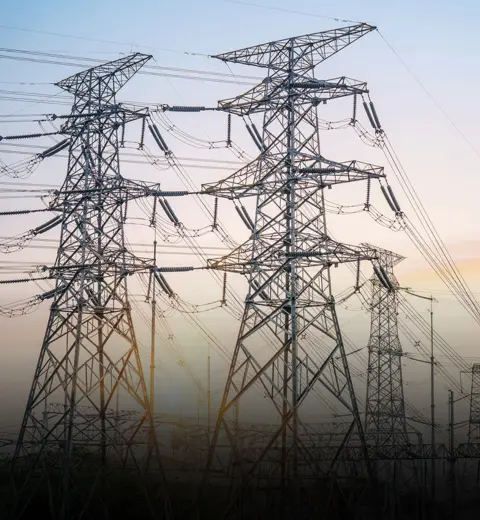
Cable Systems (Power Transmission & Distribution)
Problem:
- Continuous current flow generates resistive heating (I²R losses)
- Heat buildup reduces ampacity (current carrying capacity)
- Insulation degradation risk increases over time
- Localized hot spots lead to failure in extreme conditions
Solution:
- Application of high emissivity coating on cable surfaces and associated hardware
- Enhancement of radiative heat transfer from outer layers
- Reduction in surface heat accumulation without modifying cable design
Result:
- Faster heat release to the environment
- Improved current carrying capacity
- Lower operating temperature
- Extended insulation life and improved system reliability
Engineering Insight:
- Particularly useful in high-load and confined installations where airflow is limited
- Supports stable thermal performance during peak demand cycles
Furnace Operations (Manufacturing & Process Industries)
Problem:
- Uneven heat distribution across furnace surfaces
- Excess external heat loss reducing thermal efficiency
- High surface temperatures impacting worker safety
- Increased fuel consumption due to inefficient heat utilization
Solution:
- Application of emissivity-enhancing surface coating on furnace exteriors
- Improved outward radiation control and optimized internal heat retention
- Stabilization of thermal gradients across surfaces
Result:
- Better heat balance within the system
- Reduced external surface temperature
- Improved fuel efficiency
- More consistent process output
Engineering Insight:
- Helps maintain uniform temperature profiles critical for material processing
- Reduces thermal cycling stress on structural components
Automotive Components (High-Temperature Systems)
Problem:
- Continuous exposure to high temperatures in engine and exhaust systems
- Thermal stress leading to material fatigue and reduced lifespan
- Heat accumulation affecting nearby components
- Performance loss due to inefficient heat management
Solution:
- Application of advanced coating on heat-exposed parts such as exhaust systems and engine components
- Enhancement of surface emissivity to promote faster heat radiation
- Reduction of heat transfer to adjacent components
Result:
- Lower surface temperature
- Improved durability of components
- Reduced thermal stress and deformation
- Enhanced overall system performance
Engineering Insight:
- Particularly effective in compact engine designs with limited cooling space
- Supports long-term reliability under cyclic thermal loads
Optional Add-on (Highly Recommended for SEO + Depth)
You can add one more case to strengthen authority:
Electronics & Heat Sink Systems
Problem:
- High heat density in compact electronic systems
- Limited space for active cooling
- Risk of thermal failure in circuit components
Solution:
- Application of emissivity coating on heat sinks and enclosures
- Improved passive heat radiation
Result:
- Better thermal stability
- Improved device reliability
- Enhanced performance under continuous operation
Why is emissivity important?
- Low emissivity → heat stays trapped
- High emissivity → heat releases faster
This is the core principle behind this technology.
Why choose Novota?
- Strong engineering expertise
- Advanced coating technology
- Industry-specific solutions
- Proven performance
How can this improve your operations?
- Reduce downtime
- Improve efficiency
- Extend equipment life
- Lower maintenance cost
How does emissivity coating compare with traditional cooling methods?
Traditional cooling methods rely on external systems like air or water.
Limitations:
- Require continuous energy input
- Higher maintenance
- Limited effectiveness in enclosed systems
Surface-based thermal solutions offer a different approach:
- Work passively without energy consumption
- Improve heat transfer directly from the surface
- Perform efficiently in high-temperature environments
This makes them suitable for applications where conventional cooling is not practical.
What materials can be used with heat dissipation coating?
These coatings are compatible with a wide range of industrial materials:
- Carbon steel
- Stainless steel
- Aluminum surfaces
- Cast iron components
Benefits of compatibility:
- Easy integration with existing systems
- No major design modification required
- Suitable for both new and retrofit applications
This flexibility makes it ideal for diverse industrial environments.
How is heat dissipation coating applied?
The application process is designed for industrial scalability:
- Surface preparation to remove contaminants
- Application using spray or brush methods
- Controlled curing for strong adhesion
Key advantages:
- Uniform coating thickness
- Strong bonding with substrate
- Long-lasting performance
Proper application ensures consistent thermal performance over time.
What factors affect heat dissipation performance?
Thermal performance depends on several parameters:
- Surface emissivity
- Operating temperature
- Surface area exposed
- Environmental conditions
Optimizing these factors helps improve:
- Heat transfer rate
- System efficiency
- Equipment reliability
Understanding these parameters is critical for effective thermal management solutions.
How does thermal control improve industrial safety?
Excess heat can create safety risks in industrial environments.
Effective thermal control helps:
- Reduce surface temperature exposure
- Minimize risk of burns and accidents
- Prevent overheating-related failures
This improves both operational safety and workplace conditions.
How durable is heat dissipation coating?
These coatings are designed for long-term industrial use.
- Resistant to high temperatures
- Maintains performance over time
- Withstands harsh operating conditions
This ensures consistent results with minimal maintenance.
How to choose the right heat management solution?
Key factors to consider:
- Operating temperature range
- Type of equipment
- Environmental conditions
- Required efficiency improvement
Selecting the right solution ensures optimal performance and long-term reliability.
What is the future of thermal management solutions?
Industries are moving towards:
- Passive cooling technologies
- Energy-efficient surface treatments
- Advanced material engineering
These innovations are helping improve efficiency while reducing environmental impact.
FAQs
Does coating reduce energy consumption?
Yes, it improves heat transfer, which reduces energy loss.
Can it be used in high-temperature industries?
Yes, it is designed for extreme operating conditions.
Is it suitable for retrofit applications?
Yes, it can be applied to existing equipment without major changes.
What is the best way to reduce industrial heat?
Using high emissivity coatings helps improve heat release and reduce temperature buildup.
Where is this technology used?
It is used in power plants, manufacturing, automotive systems, and electronics.
Does it require additional energy?
No, it works by improving natural heat transfer.
Enhance the efficiency and durability of your machine components with heat dissipation technology from a leading manufacturer. +918928770345